Wildfire Mitigation in Foothill Communities of Northern Utah

Get A Free Estimate
- Precision Tree Removal
- Effective Tree Trimming
- Emergency Tree Service
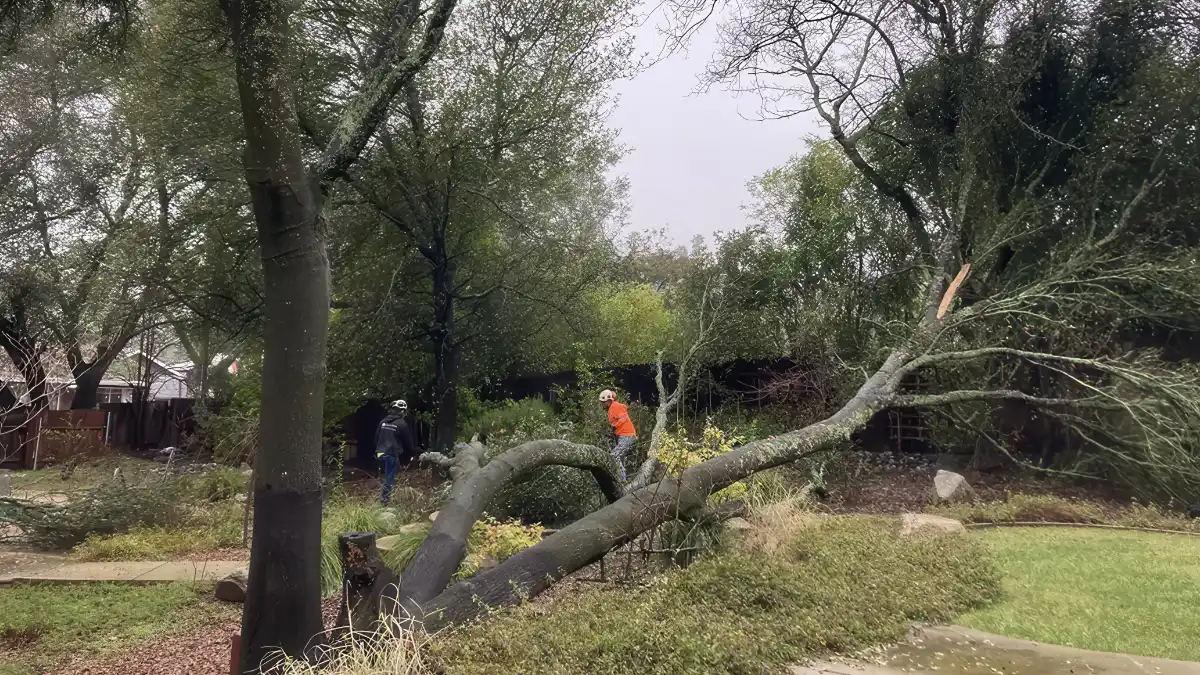
Why foothill communities in Northern Utah need targeted wildfire mitigation
Foothill neighborhoods near the wildland-urban interface face concentrated wildfire risk during long, dry summers. Steep terrain, frequent Santa Ana-like winds, and dense stands of native, flammable vegetation increase the chance that a small ignition can threaten homes. Property owners in these foothill communities need mitigation strategies that respond to local fuels, topography, and the close proximity of structures to brush and trees.
Contact Us
- (801) 272-3344
- advancedtreeservicesut@gmail.com
- Serving Northern Utah
Tree Services We Offer in Northern Utah
Tree Removal
LEARN MORETree Trimming
LEARN MOREStump Grinding
LEARN MOREEmergency Tree Services
LEARN MOREPlant Health Care
LEARN MOREDefensible Space
LEARN MOREAdvanced Tree Service and the wildfire mitigation services we provide
Advanced Tree Service delivers professional wildfire mitigation and defensible space creation across the foothill communities of Northern Utah. Their experienced team helps property owners manage hazardous vegetation to protect homes from wildfire risks. Services focus on reducing fuel continuity, creating defensible space around structures, and modifying the vertical and horizontal arrangement of vegetation to lower the likelihood of crown fire spread.
How we evaluate properties before recommending work
Initial property evaluations identify ignition pathways, fuel types, and structural vulnerabilities. Inspectors assess slope, prevailing wind exposure, roof and gutter conditions, and the placement of outbuildings relative to contiguous vegetation. Evaluations prioritize areas where a combination of dry native species and close tree-to-structure spacing creates elevated risk, then translate findings into a tailored mitigation plan.

Local conditions that shape mitigation strategies
Mitigation work in Northern Utah foothills must account for dry summer conditions and native species such as Gambel oak, juniper, and pinyon pine, which burn readily when cured. Many homes sit close to chaparral and open stands, creating a narrow margin between live fuels and structures. These local realities determine safe debris handling, selection of mechanical treatments, and the extent of thinning and pruning needed to establish effective defensible space.
Common vegetation and associated risks in the foothills
Gambel oak develops dense thickets that can carry fire from the ground into tree crowns; juniper and pinyon pine contain oils and resins that promote rapid ignition and ember production. These species often form the continuous fuels that allow fire to move quickly across slopes, so addressing their arrangement and condition is central to reducing risk.
Proximity to the wildland-urban interface and slope effects
Where homes are close to wildland vegetation, radiant heat and embers can threaten structures even without direct flame contact. Slope amplifies fire behavior, causing flames and embers to move uphill rapidly. Mitigation plans account for slope-driven effects by emphasizing larger clearance distances uphill from structures and focused fuel breaks along the most likely fire approach routes.

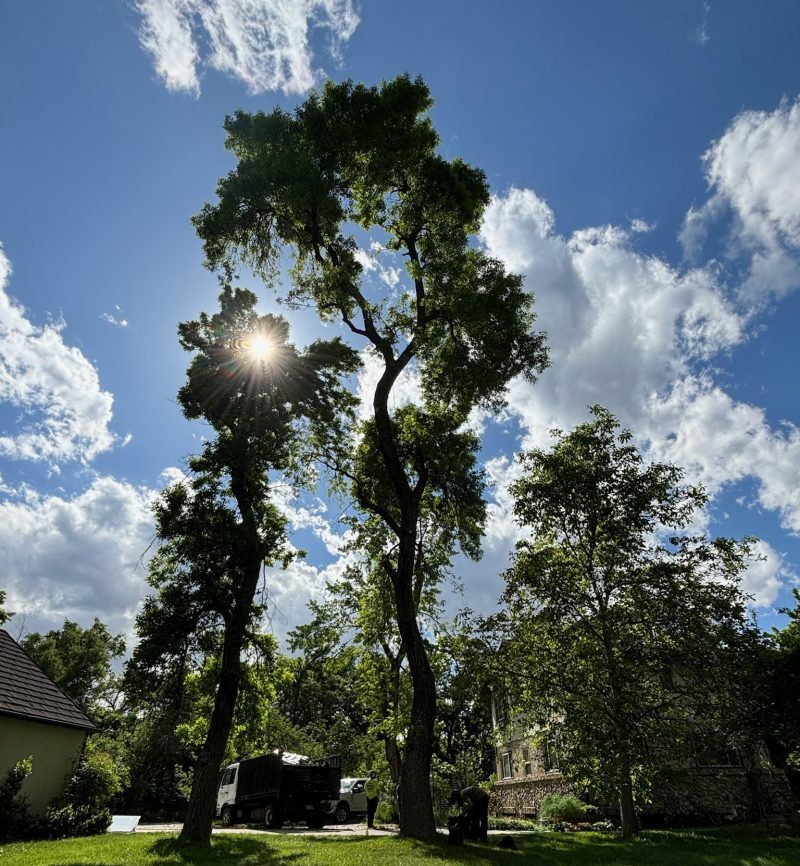
Service options and common mitigation measures we perform
Advanced Tree Service offers a suite of mitigation measures that can be combined to match each property’s needs: creating defensible space zones around structures, mechanical thinning of dense stands, targeted removal of ladder fuels, pruning to reduce crown connectivity, and safe disposal of cut material. Each option is applied with attention to soil stability and native vegetation recovery.
- Defensible space creation and fuel removal
Defensible space work establishes graduated zones of vegetation management around a home, reducing continuous fuels near foundations and across rooflines. This includes removing small trees and shrubs that pose direct ember or flame threats and establishing fuel breaks that interrupt fire spread.
- Hazardous fuels reduction and mechanical thinning
Thinning reduces stand density to lower crown fire potential and improve moisture retention in remaining trees. Mechanical techniques remove excess ladder fuels and reduce canopy overlap while preserving larger, healthy trees to maintain slope stability and visual character.
- Tree pruning and removal aligned with standards
Tree work is performed to reduce the chance of crown transfer while maintaining tree vigor. Pruning and selective removals follow accepted arboricultural practices to reduce stress on retained trees and to minimize soil disturbance and erosion on slopes.
Book Your Affordable Tree Services Today!
Our expert team is here to take your call. Reach out now to schedule a FREE estimate for your tree care solutions.
What customers can expect during a mitigation project
Property owners receive a clear scope of work based on the initial evaluation, including prioritized actions and a description of how debris will be handled. Crews work to minimize landscape impact, protect remaining vegetation, and stage cut material for removal or chipping. Work plans also address erosion control and post-project cleanup to leave properties safe and accessible.
Typical on-site assessment and planning steps
Assessments document fuel types, distances to structures, and any access constraints. From this review, the team prepares a mitigation plan that lists recommended treatments, sequencing, and any permitting considerations. The plan identifies defensible space zones and explains how NFPA-informed practices guide work choices.

Benefits property owners gain from wildfire mitigation
Proper mitigation reduces ignition potential, limits the intensity and spread of fire near structures, and can improve the ability of emergency responders to protect a home. Well-executed work also reduces ember exposure and creates safer egress and access routes, supporting occupant safety during evacuations.
Reduced ignition and lower intensity fire exposure
By interrupting fuel continuity and reducing ladder fuels, properties experience lower radiant heat and fewer opportunities for crown involvement. These changes reduce the likelihood that a passing ember or nearby brush fire will escalate into structural loss.
Improved access and safer conditions for response personnel
Thinning and strategic fuel breaks create clearer approach paths for emergency vehicles and defensible areas for firefighters to stage, improving the potential effectiveness of suppression efforts if a fire occurs.
Why Advanced Tree Service is a suitable choice for foothill wildfire mitigation
Advanced Tree Service combines local knowledge of Northern Utah foothill vegetation with trained personnel who apply sound vegetation management principles. The company operates with ISA-certified arborists on staff, follows vegetation management practices aligned with NFPA guidelines, is fully licensed and insured, and has been serving Utah since 1996. Those capabilities support mitigation work designed for local conditions.
Credentials, insurance, and professional staffing
ISA-certified arborists guide tree-focused work to help preserve tree health while reducing fire risk. Fully licensed and insured operations help ensure work meets regulatory expectations and that jobsite safety and liability considerations are addressed.
Local experience applied to foothill-specific challenges
Longstanding presence in Utah informs choices about equipment, erosion control, and the sequencing of work on steep slopes. Local crews understand how Gambel oak, juniper, and pinyon behave in dry seasons and tailor treatments to reduce fuels while protecting slope stability and native vegetation where appropriate.

Frequently asked questions about wildfire mitigation in Northern Utah foothills
How does wildfire mitigation differ for properties on steep foothill slopes?
Mitigation on slopes emphasizes larger upslope clearances and careful debris management to prevent erosion. Techniques that work on flat land may be modified to reduce soil disturbance and preserve root structure while still interrupting fuel continuity.
Will mitigation remove all native Gambel oak, juniper, or pinyon pine from my property?
Mitigation aims to reduce fuel continuity and remove hazardous individuals or dense thickets, not to eliminate native species entirely. Plans balance fuel reduction with preservation of larger, healthy trees and consideration for slope stability and local ecology.
Are mitigation practices aligned with recognized safety guidelines?
Vegetation management follows NFPA-informed guidelines wherever applicable, and work is directed by ISA-certified arborists to align tree work with accepted arboricultural standards.
How will debris be handled after thinning, pruning, or removal?
Debris handling strategies are determined during planning and can include chipping, removal from the property, or staged piles for later pickup. Plans also address the timing of removal to reduce fire risk during dry seasons and limit erosion potential.
Next steps — a privacy-safe way to arrange an assessment or learn more
If you are evaluating wildfire risk for a foothill property in Northern Utah, request a site assessment to receive a mitigation plan tailored to local fuels, slope, and structure placement. The assessment will outline recommended defensible space measures, estimated scope of work, and how NFPA-informed practices guide the project.
How Can We Help?
Book A Free Estimate For Your Dependable Tree Care in Utah
Call us for a free estimate and discover why our certified arborists are the best choice for your tree care needs!