
Summer in Utah brings long stretches of hot, dry weather that can stress trees and, in some cases, lead to decline or death. Trees dying from heat Utah is a real concern for homeowners and municipal planners alike, because prolonged high temperatures change how trees use water, how pests attack them, and how visible symptoms develop in the canopy.
When a tree shows brown leaves, sparse canopy, or partial branch dieback, it can be hard to know whether the problem is seasonal stress or the beginning of permanent decline. Homeowners often worry about safety risks, property damage, and whether remediation is possible once symptoms appear.
This article explains how high summer temperatures affect tree biology, how to recognize heat-related decline, common compounding factors in the Salt Lake City area, and practical maintenance steps that improve resilience. Read on to learn the signs to watch for, what interventions help the most, and when to consider professional evaluation.
Can prolonged summer heat alone kill a tree in Utah?
Yes, prolonged and severe heat can contribute to tree death, but it usually acts with other stressors.
Prolonged high temperatures increase a tree’s transpiration demand and can exhaust root water reserves when soil moisture is low. In Utah, hot summers often coincide with dry conditions that restrict how much water roots can take up, producing a mismatch between leaf water loss and root water supply. Over time this imbalance causes physiological damage that weakens tissues, reduces stored carbohydrates, and increases vulnerability to pests and disease.
Heat itself rarely means instant mortality; instead it accelerates decline by creating conditions where other problems take hold. For example, drought-stressed trees are more likely to experience root rot in compacted soils, bark beetle attacks in some species, and fungal infections in weakened tissue. Recognizing the combined role of heat plus other stressors is essential to diagnosing cause and planning care.
How do high temperatures kill trees biologically?
High temperatures disrupt water balance and metabolic function, leading to tissue damage and increased susceptibility to secondary problems.
Heat increases transpiration from leaves and forces trees to move water faster through stems and roots. If soil moisture cannot keep up, leaves lose turgor, stomata close to conserve water, and photosynthesis slows. This prolonged suppression of energy production drains stored carbohydrates that trees need for growth, defense, and root maintenance.
Roots are especially vulnerable because hot, dry soils reduce fine-root activity and can cause root tip dieback. When roots decline, the tree cannot replace lost water or take up nutrients effectively, creating a downward spiral. At the same time, heat-stressed tissue shows reduced capacity to produce defensive chemicals, making insects and pathogens more likely to attack and cause additional harm.
How to recognize trees dying from heat Utah homeowners should know?
Look for a cluster of symptoms that point to water stress and canopy decline rather than a single symptom.
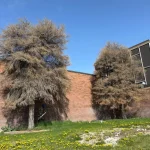
Trees under heat stress often show leaf scorch, where margins and interveinal areas turn brown while veins remain green for a time. You may also see wilting in the hottest part of the day followed by partial recovery at night, or a progressive thinning of the outer canopy as small twigs die back. These signs can be mistaken for nutrient deficiency or late-season changes, so observation over several weeks is important.
Trees can suffer from environmental pressures like extreme summer heat, displaying symptoms such as leaf scorch, wilting, canopy dieback, and premature leaf drop. The pattern of symptom development, such as one-sided dieback or sudden branch failure after a heatwave, helps distinguish heat-related decline from other causes like root rot or mechanical damage. When multiple issues overlap, professional diagnosis is often needed to identify the primary driver.
What makes some species and locations more vulnerable?
Species traits and site conditions determine whether heat becomes lethal.
Species that are native to cooler, moister climates tend to struggle in extended Utah heat more than drought-tolerant species. Trees with shallow root systems or those recently transplanted and not yet established will show symptoms faster because they cannot access deeper moisture. Urban sites with compacted or rocky soils, limited planting space, and reflective heat from pavement create microclimates that intensify stress.
Age and prior health matter too. Older trees with reduced vigor, or those with existing root damage from construction, are less able to recover. Conversely, well-established trees with deep, healthy root systems and balanced canopies often tolerate episodic heat spikes better, though they are still at risk during prolonged drought.
What practical tree care steps reduce heat-related decline?
Deep, infrequent watering helps encourage deeper root growth and reduces daily water stress during long heat spells. Rather than frequent shallow watering, provide thorough irrigation events that wet the root zone to a depth appropriate for the species and soil type. Mulch layers outside the trunk flare reduce surface evaporation and moderate soil temperature, but avoid piling mulch against the trunk.
Selective pruning to remove dead or crowded branches can reduce transpiration demand and improve canopy airflow, but pruning should not remove excessive live foliage in heat periods. Correct timing and technique matter; when pruning is needed for structure or to remove dead wood, follow standards that maintain the tree’s vigor and wind resistance. For homeowners considering maintenance schedules, regular preventative pruning and inspection by a professional can identify early signs of stress without causing additional harm. For trained pruning practices, see our guidance on regular tree trimming procedures.
When is professional intervention or emergency response needed?
If limbs are dying back rapidly, if large branches begin to split, or if the tree leans unexpectedly, the risk of failure increases and professional assessment is warranted. Trees that have been heat stressed for a season and that also show root damage, fungal fruiting bodies, or heavy pest presence require experienced diagnosis and possibly remediation that includes root treatment or removal of hazardous sections.
When extreme weather or other events create an immediate safety hazard, 24/7 assistance may be necessary to protect people and property. Emergency crews can respond to trees that fall on structures, obstruct roadways, or present clear and present danger. For urgent situations, teams with appropriate equipment and safety training provide emergency services to stabilize hazards and remove dangerous material.
How long does recovery take after a heat event?
If the tree has only mild leaf scorch and remains otherwise healthy, it may recover function within weeks to months after cooler temperatures and adequate moisture return. Trees that lose significant canopy or that experience root decline need more time to rebuild reserves and produce new growth; this process may take multiple growing seasons. Ongoing monitoring, proper watering, and reduced additional stressors improve the likelihood of recovery.
Persistent decline may indicate irreversible damage or secondary issues such as pest infestation or root diseases. In those cases, removal and replacement with a more suitable species may be the safest long-term choice for the property. Decisions should be based on a careful assessment of structural stability, long-term health prognosis, and site goals.
Practical maintenance checklist for Salt Lake City summers
Direct answer: Simple, consistent actions reduce the risk of heat-related decline.
- Water deeply and infrequently to encourage deep root growth, focusing on the root zone rather than the trunk.
- Maintain a 2 to 4 inch mulch layer outside the root flare, keeping mulch away from the trunk base to prevent rot.
- Avoid heavy pruning in the peak of summer; instead reduce canopy stress before heat becomes extreme or after the hottest weeks pass. For best results with pruning strategies, consult professional resources on tree trimming to match species needs.
- Monitor trees regularly after heat waves for pests, wilting, and canopy thinning, and consider professional plant health assessments if symptoms persist. Structured plant health care programs can identify nutrient needs, pest issues, and corrective steps to restore vigor.
Related resources for next steps
For more detail, review Advanced Tree Service’s tree trimming page and its emergency services resource before making a final plan. These pages provide additional context about the services and decisions discussed above, while keeping the focus on what applies to your property and priorities.
You can also explore plant health care when that aspect of the project affects your situation. For independent background, Trees can suffer from environmental pressures like extreme summer heat, displaying symptoms such as leaf scorch, wilting, canopy dieback, and premature leaf drop. offers high-authority educational guidance that supports a careful, informed decision.
Frequently Asked Questions
1. What are the first signs that a tree is dying from heat in Salt Lake City, UT?
Early signs include browning of leaf margins, wilting during the afternoon, and gradual thinning of the outer canopy. Advanced Tree Service in Salt Lake City, UT observes that these symptoms often appear after prolonged high temperatures combined with low soil moisture. Repeated observation over several days helps distinguish heat stress from other problems. If symptoms worsen, a professional evaluation by Advanced Tree Service in Salt Lake City, UT is recommended.
2. Can a tree recover after showing brown tree leaves from heat in Salt Lake City, UT?
Yes, many trees recover if the underlying root system remains functional and moisture is restored in time. Advanced Tree Service in Salt Lake City, UT advises deep, infrequent watering and protective mulch to help recovery. Recovery may take weeks to seasons depending on species and damage. Advanced Tree Service in Salt Lake City, UT can assess recovery progress and recommend follow-up care.
3. Should I prune heat-damaged branches now or wait in Salt Lake City, UT?
Pruning decisions depend on the extent of damage and time of season; avoid excessive pruning during peak heat unless branches are hazardous. Advanced Tree Service in Salt Lake City, UT recommends targeted pruning to remove dead wood while preserving live tissue that supports recovery. Waiting until cooler weather can reduce additional stress on the tree. Advanced Tree Service in Salt Lake City, UT can advise the appropriate timing for your specific trees.
4. When is tree removal necessary after heat stress in Salt Lake City, UT?
Removal is necessary when a tree shows advanced structural damage, extensive root decline, or presents an ongoing safety hazard. Advanced Tree Service in Salt Lake City, UT evaluates structural stability, long-term health prognosis, and site risks to make that determination. Sometimes removing a severely compromised tree and replacing it with a more suitable species is the safest option. Advanced Tree Service in Salt Lake City, UT can provide the assessment and safe removal if required.
Conclusion
Understanding trees dying from heat Utah starts with clear information, realistic priorities, and attention to the details that affect your property. Homeowners in Salt Lake City, UT can use the points in this guide to compare options, ask better questions, and make a confident next decision.
Advanced Tree Service Is Ready to Help in Salt Lake City, UT
Advanced Tree Service provides experienced, safety-focused tree care for Salt Lake City, UT residents and understands how Utah summers affect urban trees. If you need professional assessment, recovery planning, or hazard mitigation, please visit the company website or use the contact form to request a free estimate. Our qualified team responds to the range of tree health questions common in Salt Lake County neighborhoods.