Trees are an essential part of Northern Utah’s landscape, providing shade, beauty, and environmental benefits. However, dead trees pose serious risks to your property and safety. Knowing the signs your tree is dead and needs immediate removal can help you avoid potential damage or injury. This post covers the key indicators of tree death, why timely removal matters, and what you should do if you suspect a tree on your property is no longer healthy.
Many Utah homeowners face the challenge of identifying when a tree has passed the point of recovery. Dead trees often look unhealthy at first, but ignoring the problem can lead to falling branches or the entire tree collapsing. This blog will walk you through the most common signs of a dead tree, explain how local conditions affect tree health, and guide you on when to call professionals for safe removal.
How to Identify a Dead Tree in Northern Utah
A dead tree typically shows multiple clear signs that indicate it can no longer support life. The first and most obvious sign is the absence of leaves during the growing season. If your tree remains leafless through spring and summer, it is likely dead. Northern Utah’s climate means many trees, like Utah juniper and Gambel oak, have distinct growing cycles, so timing is critical when checking for leaf loss.
Another clear indicator is brittle, dry branches that snap easily when bent. Live trees have flexible branches that bend without breaking. Dead branches also often show no signs of new buds or growth. Checking the bark is also important—dead trees often have peeling, cracked, or missing bark, exposing dry wood underneath. This can be especially noticeable on species common in Utah, such as Ponderosa pine and boxelder.
Why Immediate Tree Removal Is Important for Safety and Property
Removing a dead tree quickly is essential to prevent hazards. Dead trees are structurally unsound and can fall during Utah’s strong winds or heavy snowfalls, causing damage to homes, vehicles, power lines, and injuring people or pets. According to the U.S. Forest Service, over 25 million trees fall or break during storms annually, many of which could be prevented through early removal U.S. Forest Service.
Additionally, dead trees can attract pests such as bark beetles and termites, which may spread to healthy trees or even nearby buildings. In Northern Utah neighborhoods, managing tree health helps maintain the overall ecosystem and property values. Timely removal also allows for safe disposal and the opportunity to replace the dead tree with a species better suited to local conditions.
Common Causes of Tree Death in Utah
Understanding why trees die helps in prevention and management. In Northern Utah, drought stress is a leading cause of tree decline, especially for species like the Colorado blue spruce and Douglas fir that require consistent moisture. Prolonged dry spells combined with Utah’s high summer temperatures can weaken trees and make them vulnerable to disease and pests.
Root damage from construction or soil compaction is another common cause. Trees depend on a healthy root system for water and nutrients, and disruption can lead to slow decline and eventual death. Fungal infections, such as Armillaria root rot, are also prevalent in Utah’s soil and can kill trees over time. Early detection of disease symptoms and poor growth can prevent complete tree loss.
How Professionals Assess and Remove Dead Trees Safely
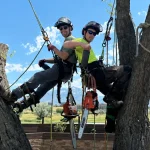
Certified arborists like those at Advanced Tree Service use a combination of visual inspection and specialized tools to assess tree health accurately. They look for internal decay, root stability, and potential hazards before recommending removal. This assessment is crucial because some trees that appear dead may still have salvageable parts, while others pose immediate risks.
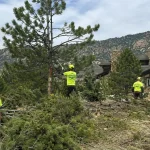
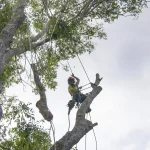
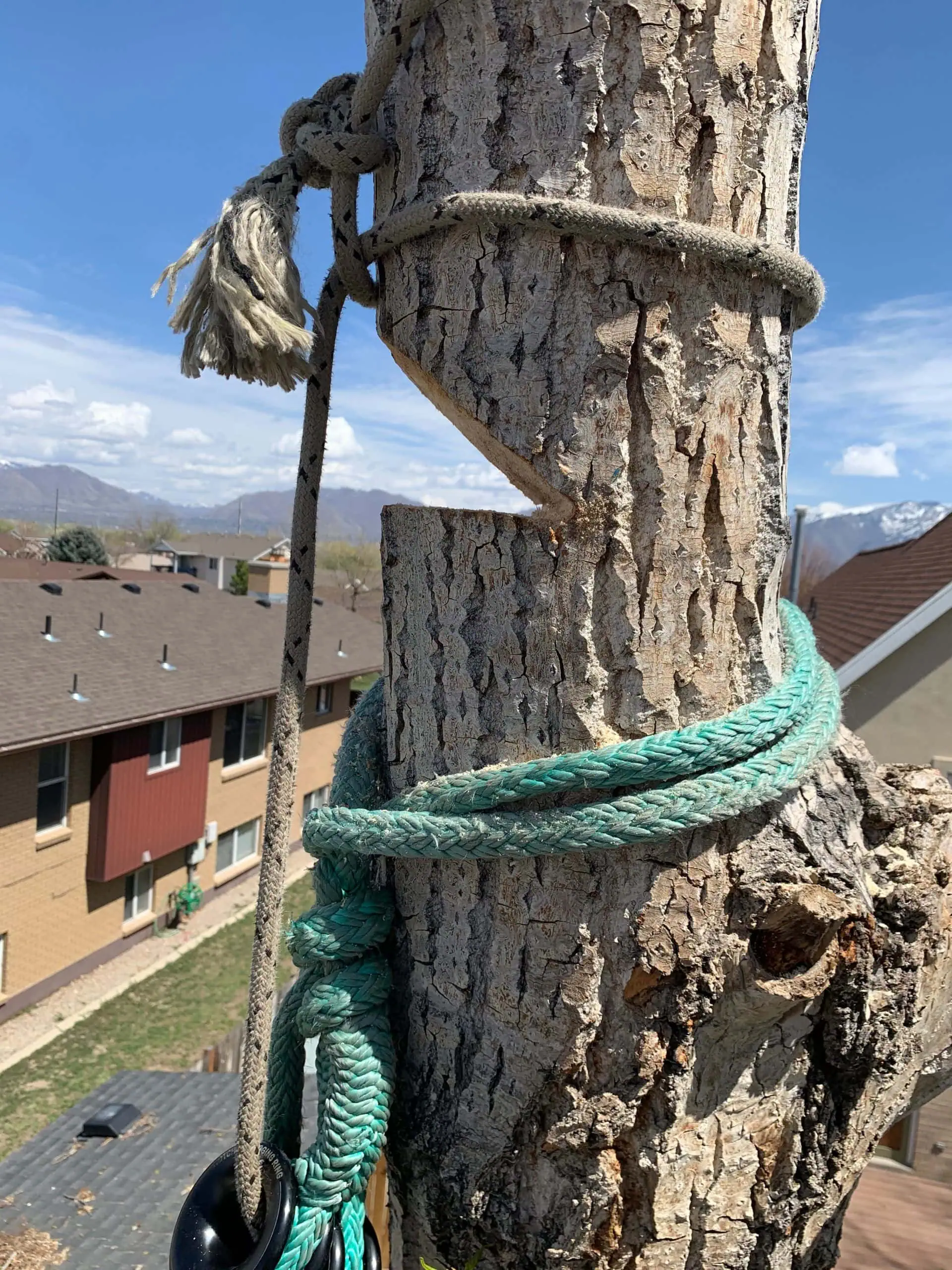
Tree removal in Northern Utah must account for local terrain, weather, and proximity to structures. Professionals use cranes, ropes, and other equipment to remove trees safely and efficiently, minimizing damage to surrounding areas. They also handle debris removal and stump grinding to restore your landscape.
Learn more about tree removal services.
Frequently Asked Questions
How can I tell if my tree is dead or just dormant?
Advanced Tree Service advises that in Utah, dormancy typically occurs only during winter months. If your tree is leafless during spring or summer, especially species like maple or ash common in Northern Utah, it is likely dead. Inspect the branches and bark for dryness and brittleness as additional signs.
Is it safe to remove a dead tree myself?
Removing a dead tree can be dangerous due to instability and falling debris. Advanced Tree Service recommends hiring professionals in Northern Utah who have the proper equipment and training to safely remove dead trees and protect your property.
What are the risks of leaving a dead tree standing?
Dead trees can fall unexpectedly during storms, damaging homes, vehicles, or power lines. They also attract pests that may spread to other trees. Advanced Tree Service stresses that Utah homeowners should address dead trees promptly to reduce these hazards.
How long does it take for a tree to die completely?
The timeline varies depending on the cause of death and species. Some Utah trees may decline over several years due to drought or disease, while others die quickly from storm damage. Advanced Tree Service in Northern Utah can evaluate the situation and advise on timing for removal.
Can dead trees be recycled or reused?
Yes, many dead trees can be processed into mulch or firewood. Advanced Tree Service offers responsible disposal services in Utah, helping homeowners recycle tree material in an environmentally friendly way.
How much does tree removal cost in Northern Utah?
Cost depends on the size, location, and condition of the tree. For a precise estimate, Advanced Tree Service provides free evaluations to Utah residents, ensuring safe and affordable tree removal solutions.
Advanced Tree Service Is Ready to Help in Northern Utah
If you notice signs that your tree may be dead and needs immediate removal, Advanced Tree Service is available to assist you throughout Northern Utah. Our ISA-certified arborists provide thorough assessments and safe removal services that protect your property and peace of mind. Contact us today at (801) 272-3344 for a free estimate and expert advice tailored to your specific tree concerns. Don’t wait until a hazardous situation arises—let Advanced Tree Service help you maintain a safe and healthy landscape.