Planting trees near your home can enhance curb appeal, provide shade, and improve air quality. However, figuring out how close to a house you can plant a tree is crucial to avoid potential damage to your property and ensure the tree thrives. Many homeowners in Northern Utah face this challenge because of the region’s unique climate and soil conditions, which affect tree root growth and stability. Understanding the right distance to plant trees from your home can save you from expensive repairs and promote a healthier landscape.
This post covers the essential guidelines on how close trees should be planted to houses, considering factors such as tree species, root systems, Utah’s climate, and structural safety. Whether you are planting a small ornamental tree or a larger shade tree, knowing how proximity affects both your home and the tree’s health is key. We will also discuss common mistakes to avoid and share tips tailored to Northern Utah homeowners.
How Close to a House Can You Plant a Tree?
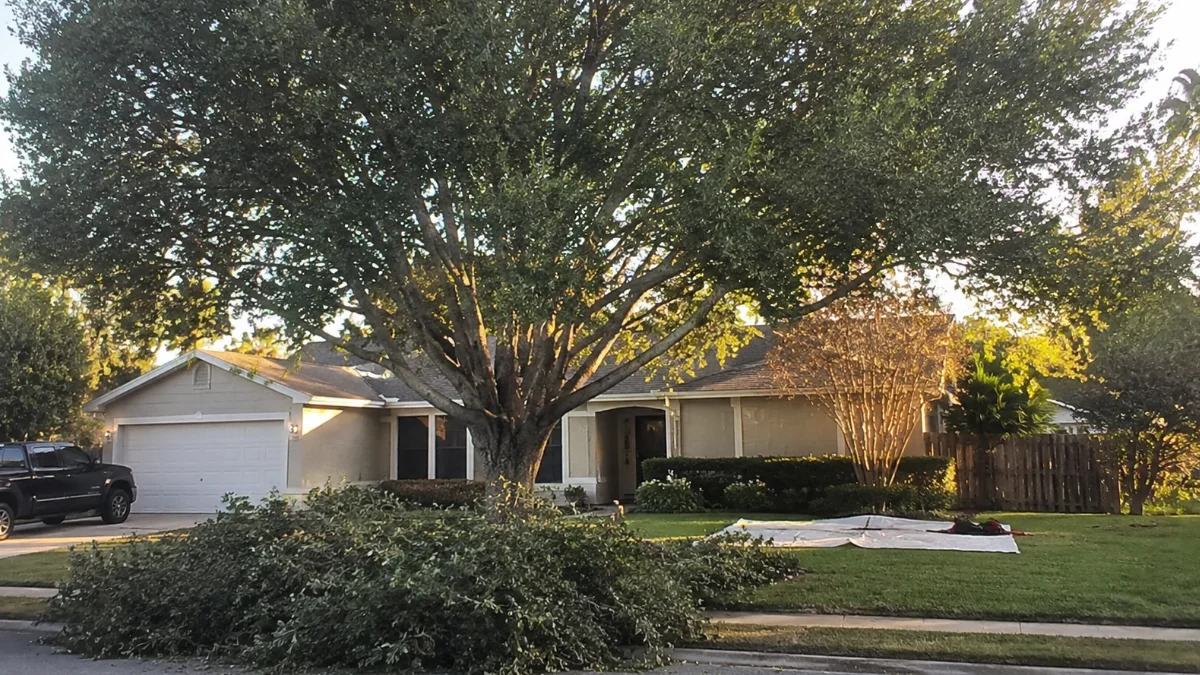
The ideal distance to plant a tree from a house generally depends on the tree’s mature size and root spread, but a good rule of thumb is to plant trees at least 15 to 20 feet away from the foundation. For larger trees, such as maples or elms common in Utah, planting even farther away—around 25 feet—is safer to prevent root damage to foundations and underground utilities. Smaller trees, like Utah serviceberry or flowering crabapple, can be planted closer, around 10 to 15 feet from the house.
Planting too close to a house risks roots lifting foundations, cracking sidewalks, or damaging plumbing and septic systems. Furthermore, branches growing near the roof or siding can cause damage, promote moisture retention, and invite pests. When selecting a planting spot, consider the tree’s mature height and canopy spread to ensure it will not interfere with the structure as it grows. For more on choosing the right location, see our guide.
Factors Affecting Tree Planting Distance in Northern Utah
Northern Utah’s climate and soil conditions influence how trees grow and how far from a house they should be planted. Trees in Utah often face dry summers, cold winters, and alkaline soils, which can affect root development and water needs. For example, species like the Rocky Mountain maple and Gambel oak are adapted to these conditions and have less aggressive root systems, allowing for somewhat closer planting.
Research shows that tree roots often extend two to three times the width of the canopy, but root depth can vary depending on soil type and moisture availability USDA Forest Service. In Utah’s rocky or compacted soils, roots may grow more laterally near the surface, increasing the risk of foundation damage if planted too close. Therefore, homeowners should account for local soil conditions when deciding planting distance.
In addition to soil, Utah’s seasonal temperature swings can cause frost heave, which affects both tree roots and building foundations. Planting trees with appropriate spacing allows roots room to expand and reduces the risk of damage during freeze-thaw cycles. For guidance on tree species selection suited to the Utah climate.
Common Problems When Trees Are Planted Too Close to Homes
Planting trees too close to a house can cause various issues, including foundation cracking, clogged gutters, and insect infestations. Roots from large trees like cottonwoods or ash can grow aggressively, seeking moisture from foundations and breaking through concrete or sewer lines. Branches touching the roof or siding can trap moisture, accelerate decay, and provide pathways for pests such as carpenter ants or termites.
According to a study by the International Society of Arboriculture, improper tree placement is a leading cause of property damage in urban settings, with root intrusion accounting for nearly 20 percent of structural repairs International Society of Arboriculture. Preventing these problems involves careful planning based on the tree’s growth habits and potential root spread.
Proper pruning and routine tree maintenance can also reduce risks by controlling branch growth near the home. Advanced Tree Service emphasizes regular inspections to identify potential damage early. For information about tree maintenance services in Northern Utah, see Our Services .
Selecting the Right Tree Species for Planting Near Your Home in Utah
Choosing tree species with non-invasive root systems is essential when planting near houses in Northern Utah. Trees like the Utah serviceberry (Amelanchier utahensis), Rocky Mountain maple (Acer glabrum), or chokecherry (Prunus virginiana) typically have less aggressive roots, making them safer options for closer planting.
Avoid planting species known for large, spreading root systems such as cottonwoods or willows near your home. These trees thrive near water but can cause damage by lifting sidewalks or invading septic lines. Instead, opt for drought-tolerant and native species adapted to Utah’s dry climate, which require less water and maintenance.
Advanced Tree Service can help homeowners select tree species best suited to their site and planting goals, considering soil conditions, space, and long-term growth. Our arborists have experience with Utah’s unique landscape and can provide tailored advice to protect your home and landscape.
Frequently Asked Questions
How far should tree roots be from a home’s foundation?
Tree roots should typically be at least 15 to 25 feet away from the foundation, depending on the tree species. Advanced Tree Service in Northern Utah recommends this distance to prevent root intrusion and foundation damage common in Utah’s soil conditions.
Can I plant a small tree closer to my house?
Yes, small trees with shallow, non-invasive roots, like Utah serviceberry, can be planted about 10 to 15 feet from the house. Advanced Tree Service advises that even for smaller trees, proper spacing is necessary to avoid future maintenance issues in Utah’s climate.
What problems can arise from planting trees too close to a house?
Planting too close can lead to foundation cracks, roof damage from branches, clogged gutters, and increased pest risk. Advanced Tree Service has seen many cases in Northern Utah where improper planting caused costly repairs that could have been prevented with proper planning.
How does Utah’s climate affect tree planting near homes?
Utah’s dry summers and cold winters influence root growth and tree health. Trees may develop shallow root systems due to rocky soil and limited moisture. Advanced Tree Service considers these factors when advising Northern Utah homeowners on safe planting distances.
Are there Utah native trees safe to plant near houses?
Yes, native trees like Rocky Mountain maple and chokecherry have less aggressive roots and are more suitable for planting near homes. Advanced Tree Service often recommends these options for Northern Utah properties to balance beauty and safety.
What should I do if a tree is already too close to my house?
If a tree is too close and causing issues, Advanced Tree Service in Northern Utah suggests a professional assessment to determine if root barriers, pruning, or removal is necessary to protect your home. Early intervention can minimize damage and maintenance costs.
Advanced Tree Service Is Ready to Help in Northern Utah
If you are planning to plant a tree near your home or need advice on existing trees, Advanced Tree Service is available to provide expert guidance tailored to Northern Utah’s unique conditions. Our ISA-certified arborists can help you determine safe planting distances, select appropriate tree species, and maintain your trees for long-term health and safety. Contact Advanced Tree Service today at (801) 272-3344 for a free estimate and professional support designed to protect your home and enhance your landscape.